Polyurethane Foam Void Filling

Void filling with polyurethane foam stops erosion, strengthens weak ground, and supports concrete structures quickly and precisely, without the need for demolition.

Book a free void filling site survey today

Network Rail logoThames Water logoUniveristy of Cambridge logoScotRail Scotlands Railway logoKier logoMitie logoBalfour Beatty logo

Why Use Polyurethane Foam for Void Filling?

Void filling with expanding resin stabilises ground and structures affected by washout, erosion or settlement. It fills hidden gaps beneath slabs or foundations to prevent collapse, water ingress and further damage. The process is non-invasive, long-lasting and suitable for both residential sites and critical infrastructure.

Applications Of
Void Filling

  • Structural Foundations

    Target and fill hidden voids under foundations to prevent differential settlement and structural cracking. Suitable for both residential and commercial properties.

  • Retaining Walls and Basement Walls

    Void filling stabilises areas where erosion has created pockets behind walls, helping prevent bowing, cracking, or collapse.
  • Tunnels, Culverts & Pipelines

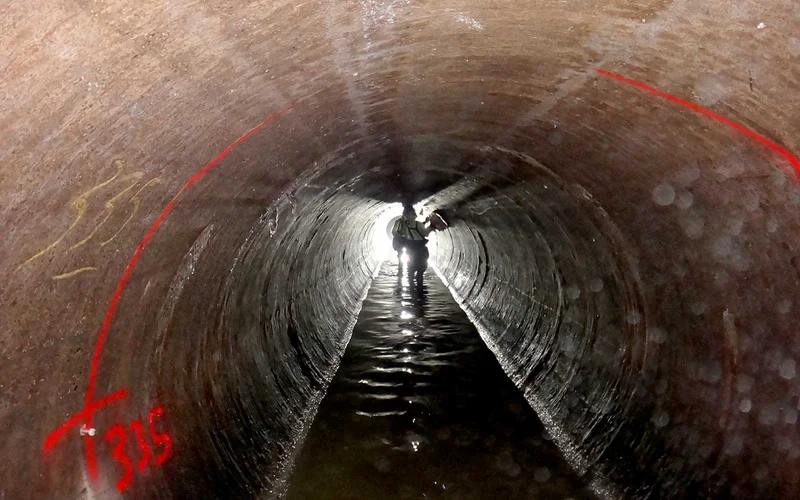
    Fill and stabilise voids around tunnels, culverts and pipelines without excavation, preventing washout and structural failure.
  • Erosion Voids Around Infrastructure

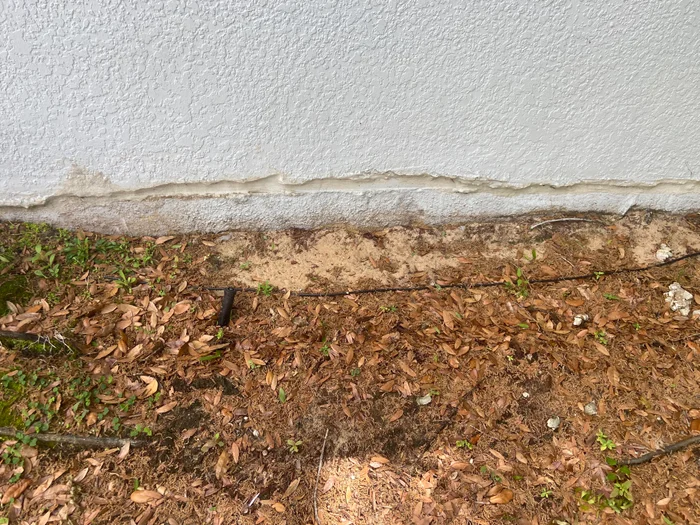
    Address erosion-created voids around buried utilities, culverts, or structures. Prevents progressive failure and maintains safety.
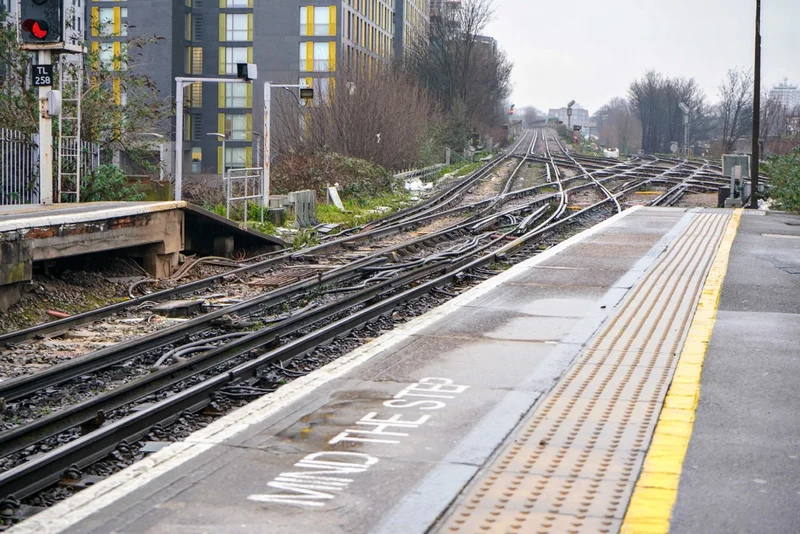
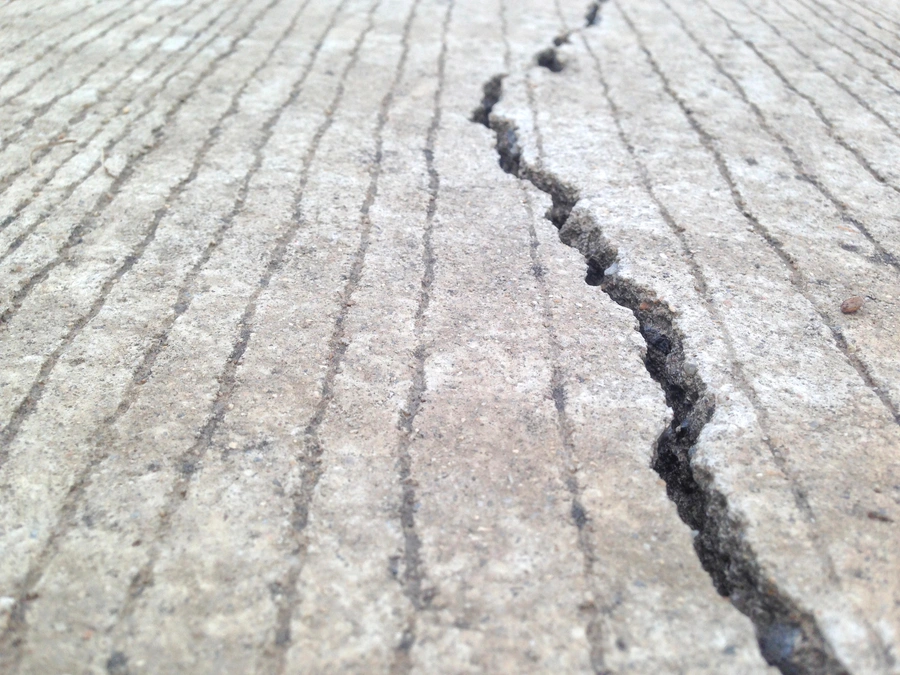
  • railway station walkway made out of concrete that could crack over time

    Rail Embankments & Platform Voids

    Stabilise voids beneath rail embankments and platforms to prevent settlement, erosion and service disruption.
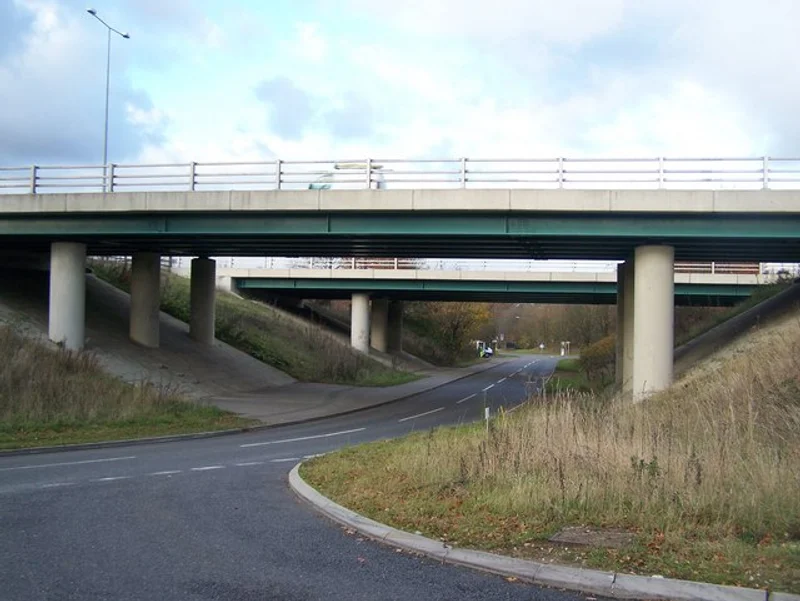
  • Roads and Carriageways

    Fill voids caused by washout or poor compaction beneath roads without the need for disruptive excavation. Restore stability and extend pavement life.


Our Polurethane Void Filling Benefits

Health & Safety Standards First

We are committed to upholding the highest safety standards on every void filling project. Our technicians are fully trained and operate under nationally recognised safety schemes. From risk assessments to method statements, we ensure compliance across every job. We work within UK health and safety guidelines and are accredited by leading regulatory bodies to guarantee safe, controlled, and disruption-free site conditions.

CAT & Genny Scanning for Safe Void Filling

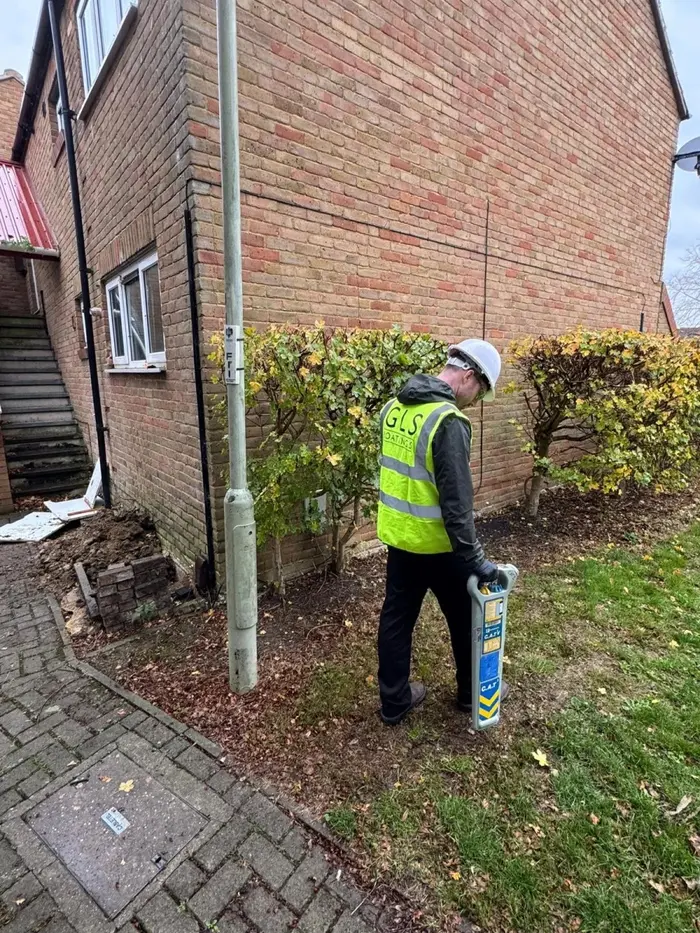
When carrying out void filling works, we first identify the location of all underground utilities using CAT and Genny scanning technology. This step safeguards critical infrastructure, reduces safety risks, and ensures that resin injection can be carried out without unexpected delays or hazards.
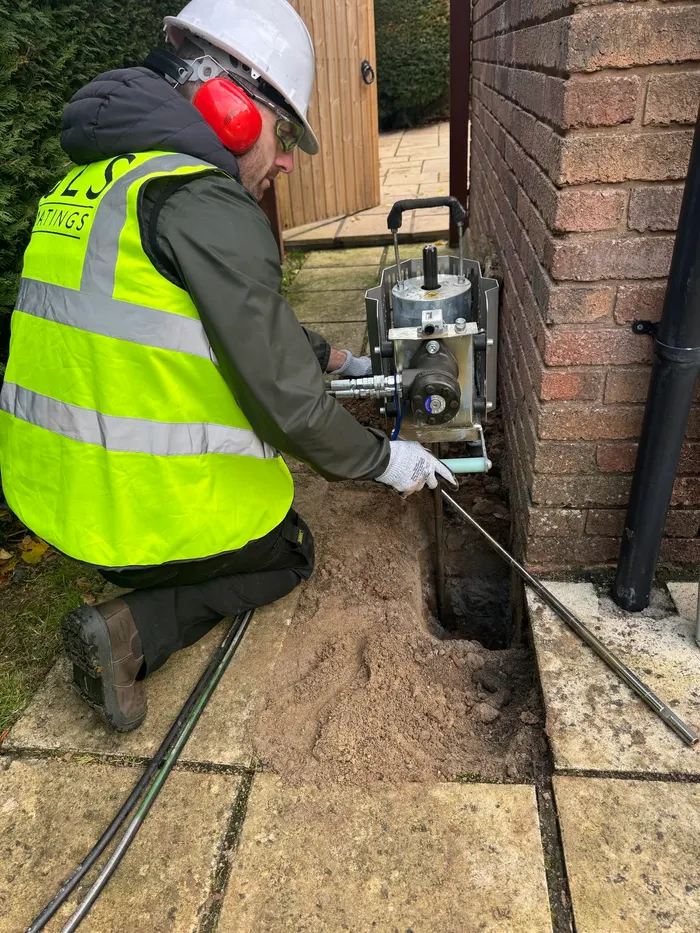
gls technician performing a CAT scan to check for underground utilities

Ensure Your Drainage Is
Ready for Void Filling

Successful void filling relies on stable ground and protected drainage. Before injecting resin, we carry out CCTV surveys and pipe protection to make sure leaks, blockages, or damage won’t compromise the filling process or future stability.

CCTV Drainage Survey

Before void filling, a CCTV drainage survey checks nearby pipes and runs.

High-resolution cameras help identify:

  • Cracks or fractures causing washout

  • Root ingress or blockages creating voids

  • Collapsed sections reducing ground stability

  • Water flow risks undermining resin filling

By spotting these issues early, we ensure void filling is safe, stable, and long-lasting.

Drainage Protection & Pipe Sealing

If problems are found, drainage lines can be sealed or reinforced before void filling begins. This prevents erosion, leakage, or ground loss.

We use specialist methods to:

  • Seal leaks around slab areas

  • Reinforce weakened pipes in yards, forecourts, or roads

  • Stop resin or water entering the system

  • Maintain stability during and after injection

This step is vital in high-traffic areas and service yards where drainage directly impacts performance.

Ground Testing and Soil Assessment Before Resin Injection

Before any resin injection or ground stabilisation work begins, it’s vital to understand the exact condition of the ground beneath the surface. Our Pagarni Ground Testing service provides a detailed assessment of subsurface conditions, helping us identify the strength, composition, and stability of the soil.

Using advanced ground testing equipment, our engineers measure soil resistance, load capacity, and density to pinpoint any weaknesses or voids that could affect structural integrity.

This essential step ensures we apply the correct resin type, injection method, and pressure levels to achieve lasting stability and prevent future movement.
Whether it’s for industrial sites, commercial foundations, or infrastructure repairs, the Pagarni Ground Test gives you accurate data to make informed decisions before work begins.

By combining scientific testing with practical experience, we deliver reliable results, reduce project risk, and ensure the long-term success of every resin injection or ground stabilisation project.

Concerned about hidden voids in your building?

The Void Filling Process

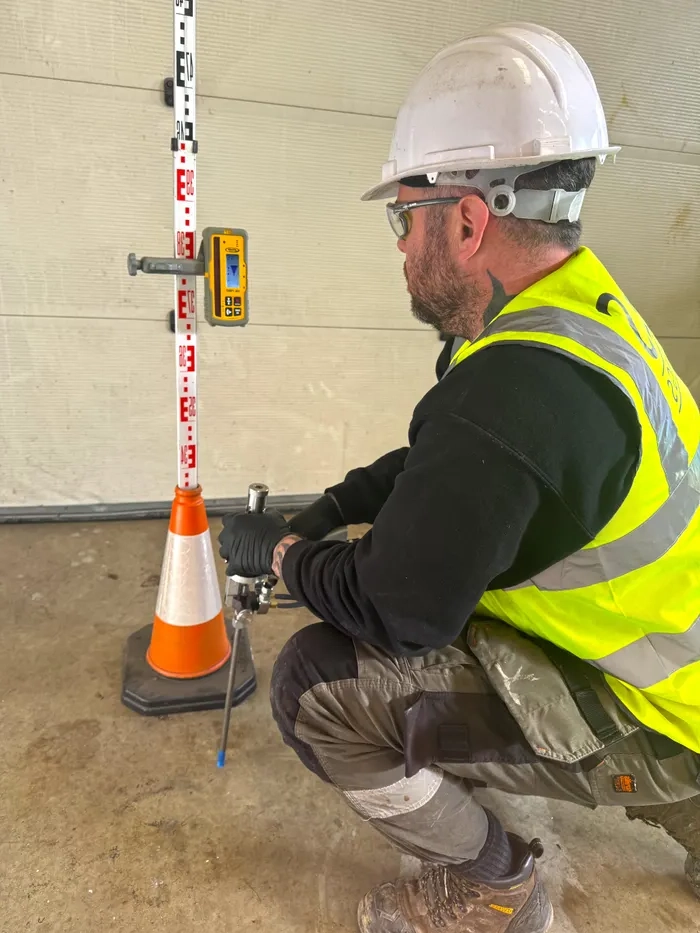
Our void filling process starts with a site survey to assess hidden or open voids. Once confirmed, we provide a quote for polyurethane foam injection.

Book Site Survey

Our team will assess voids in your structure and recommend the best polyurethane foam filling solution.

Get A Free Quote

We’ll provide a fixed quote with timescale, warranty details, and the resin injection system we'll use.

Voids Filled

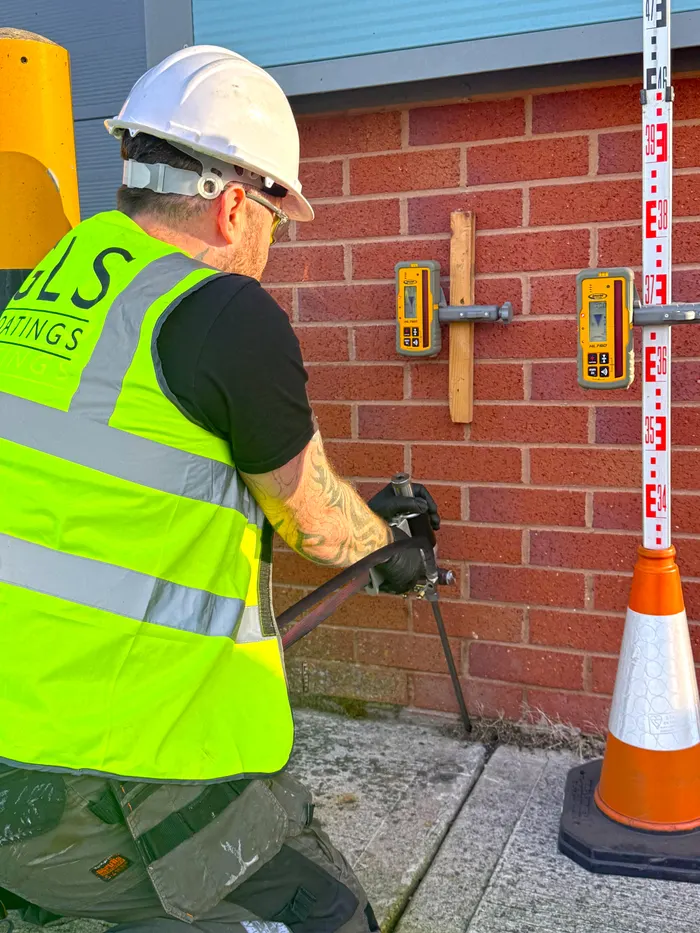
We inject expanding resin into the void to fill and stabilise quickly, with no excavation or mess required.

AMCO Giffen

GLS Coatings' professionalism and performance to the tasks in hand was exceptional. From the initial meeting and planning the work to the operatives onsite and the QA procedures undertaken during and after. I cannot fault GLS and would happily employ them again.

Gareth Griffiths, Project Manager 


Large UK Car Manufacturer

We were incredibly impressed with GLS and the expertise of Marc Grimes. While other companies couldn’t give us a straight answer or a fixed price, GLS laid everything out clearly and delivered exactly what they promised. The job was done in a day, and we didn’t have to stop production – it was a huge relief.

Confidential

Wigan Council

GLS provided a complete and professional service, managing everything from start to finish. Their resin injection solution avoided the need to relocate the tenant and resolved the issue in a single day – saving time, money, and stress for everyone involved.

Wigan Council

Barhale

GLS delivered a full rehabilitation solution efficiently and professionally. Their knowledge of lining systems and ability to work safely in a confined space environment ensured a smooth, on-schedule delivery with a high-quality finish.

Project Manager

F.G.Whitley and Sons Co.

I have been extremely impressed by the standard of workmanship of GLS staff and will definately be using your team again.

Paul Whitley, Director

Water Utility Contractor

GLS offered a solution that addressed not only the immediate ground issues but also ensured the success of the long-term lining system. Their ability to diagnose, stabilise, and protect in a single coordinated effort made them the ideal delivery partner for this project.

Confidential

GLS Case Studies

  • Factory Floor Lifting

    Large UK Car Manufacturer

    GLS lifted a subsiding factory floor using resin injection, completed in one day with no production disruption. Our fixed-cost solution avoided demolition and delivered fast, transparent results.
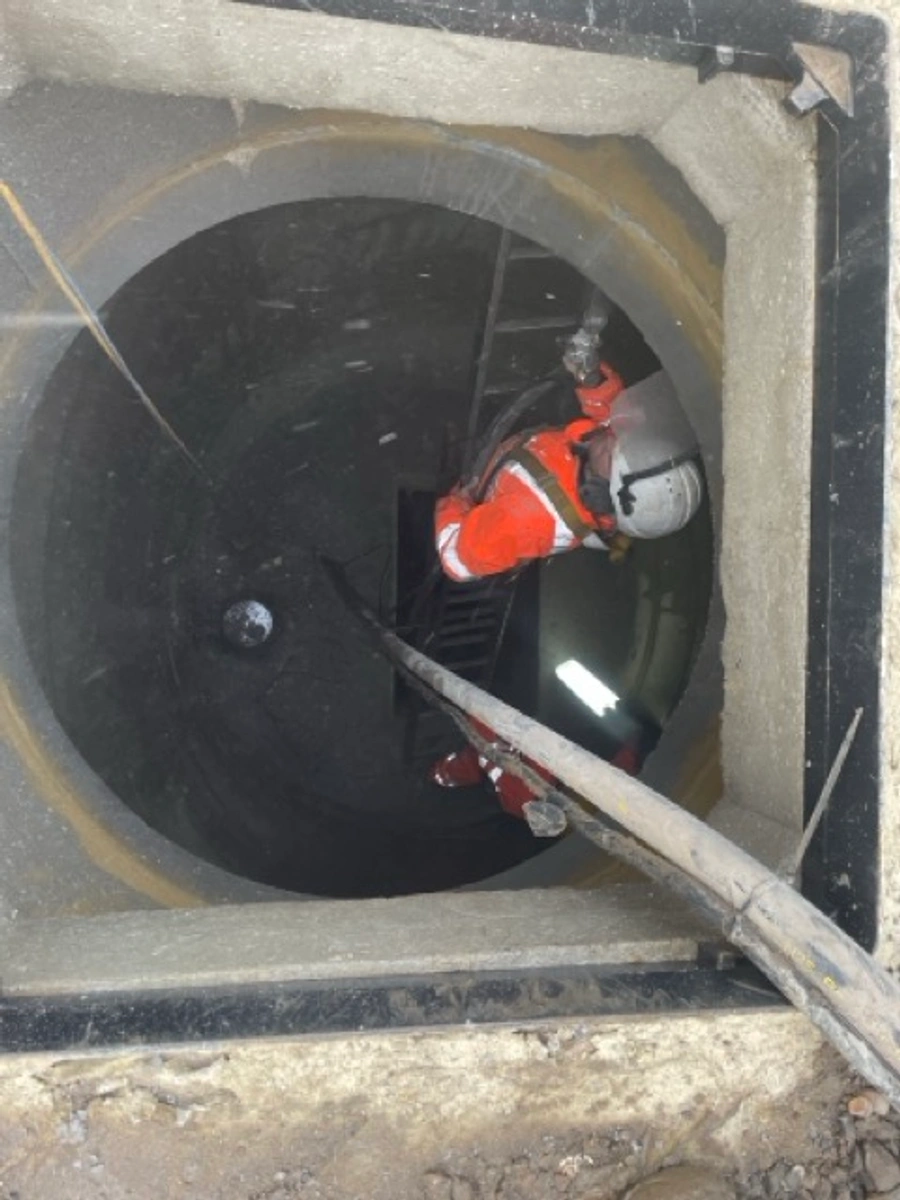
  • Shaft Lining

    London Sewer Shaft

    GLS sealed and relined a rising sewer shaft in London affected by H₂S corrosion and water ingress. Resin injection stopped active leaks before applying a chemical-resistant epoxy lining, completed in 3 days with no disruption.
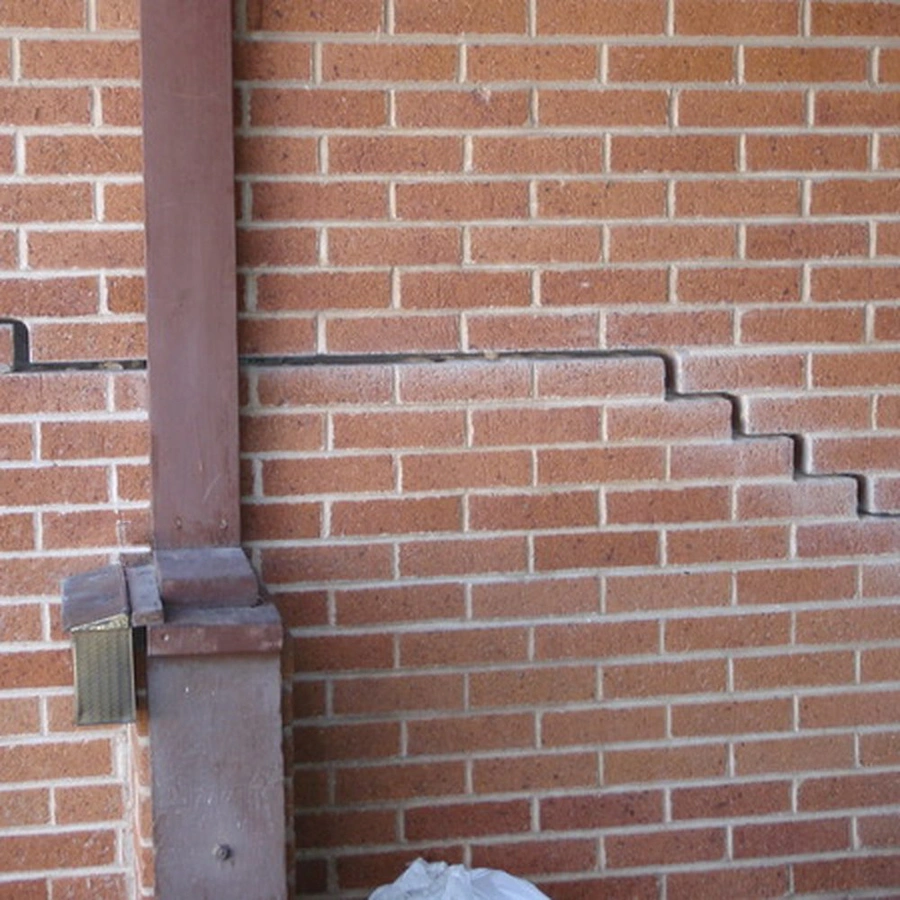
  • Ground Stabilisation

    Subsiding Residential Property

    GLS stabilised a subsiding council property with resin injection and drainage repairs. The internal floor was relevelled, external wall movement halted, and the job completed in 1 day with minimal tenant disruption.
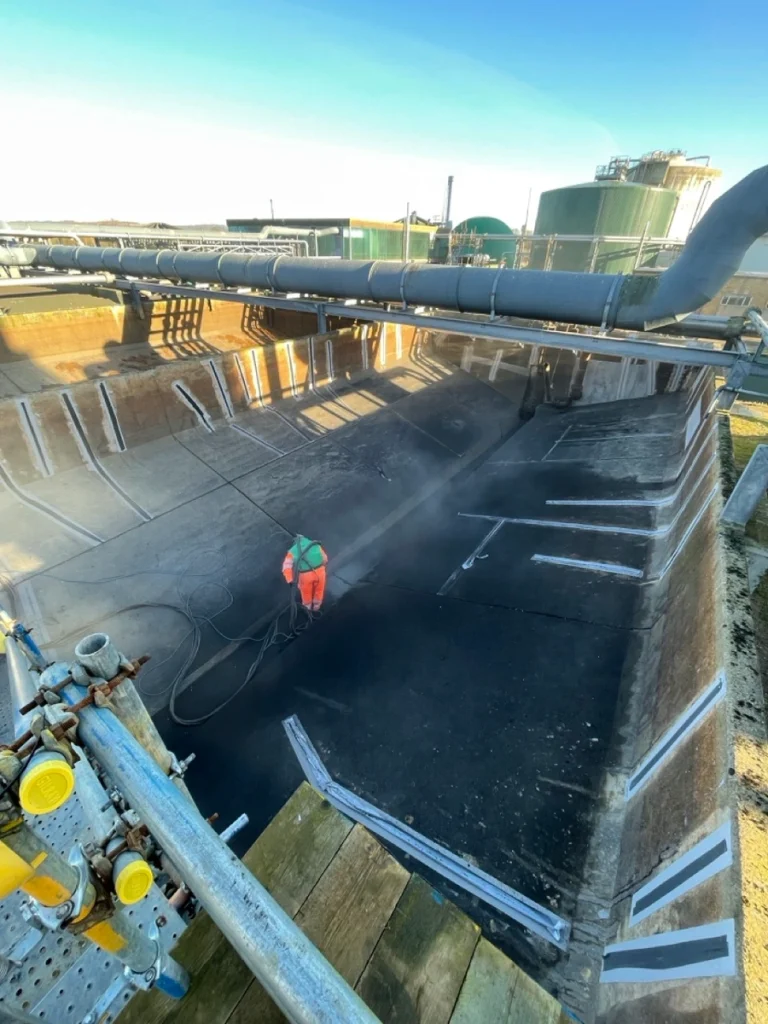
  • Concrete Lifting

    Water Treatment Site

    GLS relevelled a 400m² sludge tank base using resin injection before applying a protective cementitious coating. The stabilised base enabled long-term protection from H₂S corrosion and water ingress, with zero disruption to site operations.

Void Filling Carried Out Across the UK

Frequently Asked Questions

  • What is polyurethane void filling and how does it work?

    Polyurethane void filling is a non-invasive method for stabilising ground or structures affected by hidden or open voids. We inject an expanding resin through small holes into the affected area, where it fills gaps and solidifies. This strengthens the base and prevents further settlement or structural movement.

  • Where can void filling be used?

    Void filling is ideal for structural foundations, retaining walls, roads, carriageways, and erosion-prone infrastructure. It’s effective in areas where soil has washed out or compacted unevenly and is commonly used in both residential and industrial environments where digging isn’t an option.

  • How long does the resin take to cure?

    In most applications, the polyurethane resin cures in under 60 minutes. This fast reaction time means the area can be reopened quickly, limiting downtime and disruption. We monitor the process in real-time to ensure accurate placement and expansion.

  • Is void filling safe for occupied buildings or public areas?

    Yes, the process is safe for use in sensitive environments like schools, warehouses, or transport hubs. The resin is inert, non-toxic, and applied without open flames or cutting tools. There’s no mess, no excavation, and no heavy equipment needed on site.

  • How do you know where the voids are?

    We use tools like ground-penetrating radar to detect and map out hidden or open voids before drilling. Our trained technicians can visually confirm and precisely control the injection process, filling only what’s needed to the customer’s exact requirements.

  • What does the survey include and is it free?

    Yes, we offer a free site survey. Our team will assess the void-affected area, identify the cause, and recommend the most suitable polyurethane resin solution. You’ll also receive a detailed quote and warranty info with no obligation.

Reach out about possible void filling

GLS Coatings Ltd

Request a Case Study

Fill in your details and we’ll send it to your inbox.

Request a Brochure

Fill in your details and we’ll send it to your inbox.