
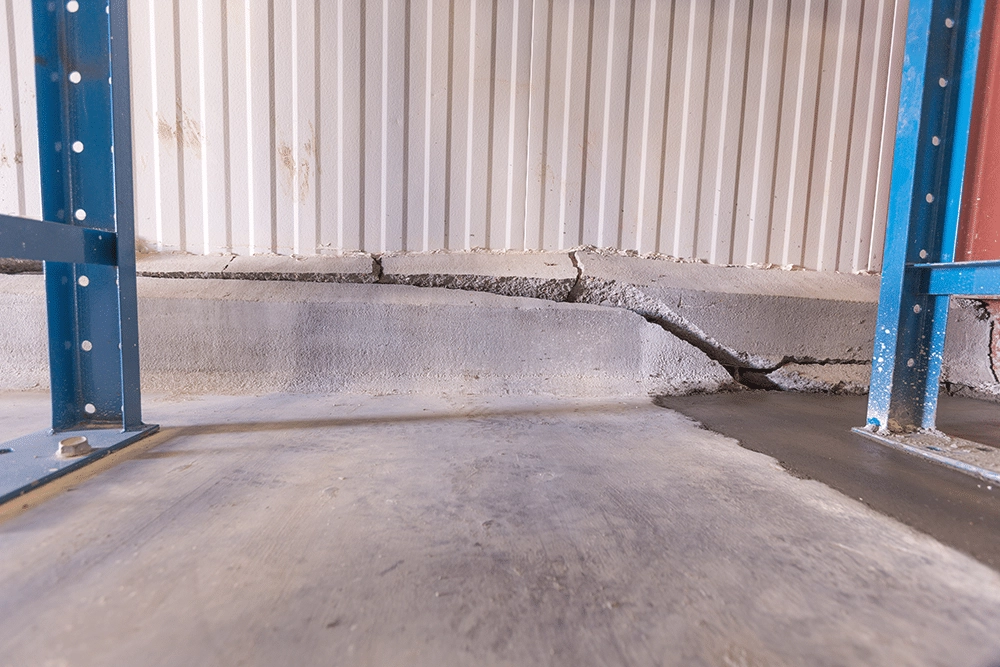
Warehouse Floors
Fix dropped slabs in high-traffic warehouse zones, racking areas and loading bays. Commonly affected by settlement and forklift traffic.


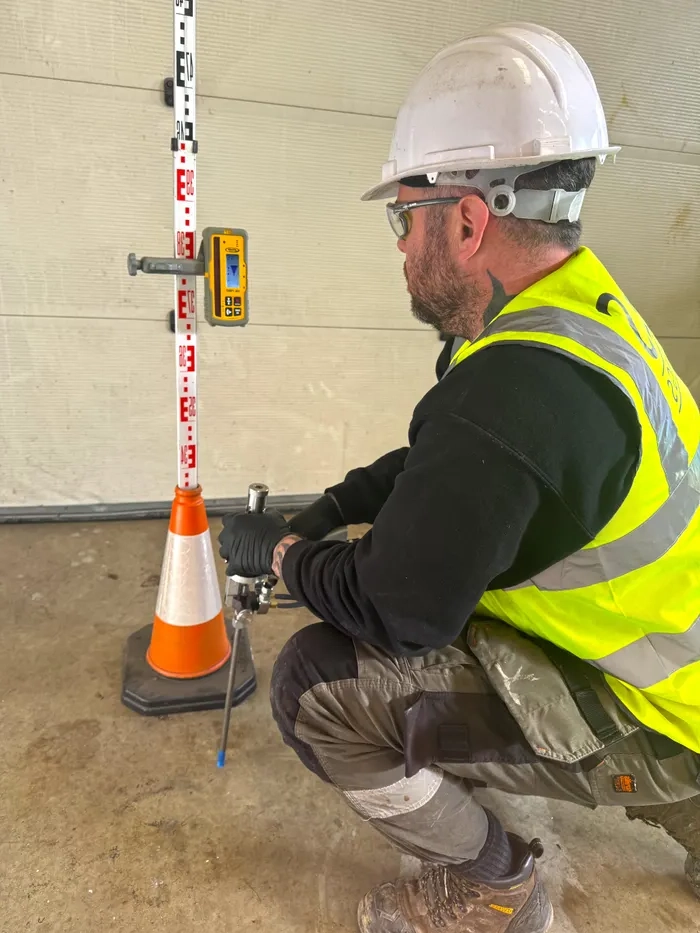
Fix dropped slabs in high-traffic warehouse zones, racking areas and loading bays. Commonly affected by settlement and forklift traffic.

Restore settlement-affected concrete on runways, taxiways and apron slabs. Fast curing, no excavation, back in use within hours.
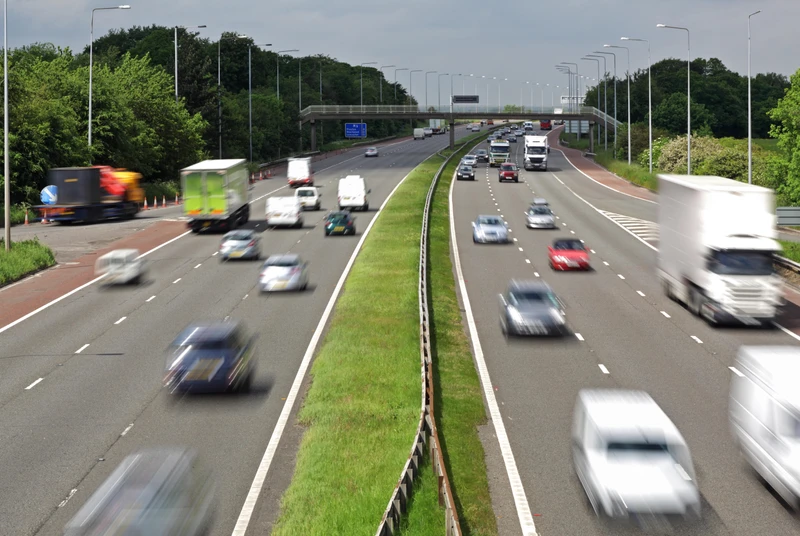
Lift and level concrete road slabs affected by erosion or settlement. Avoid full-depth reconstruction and reduce traffic impact.
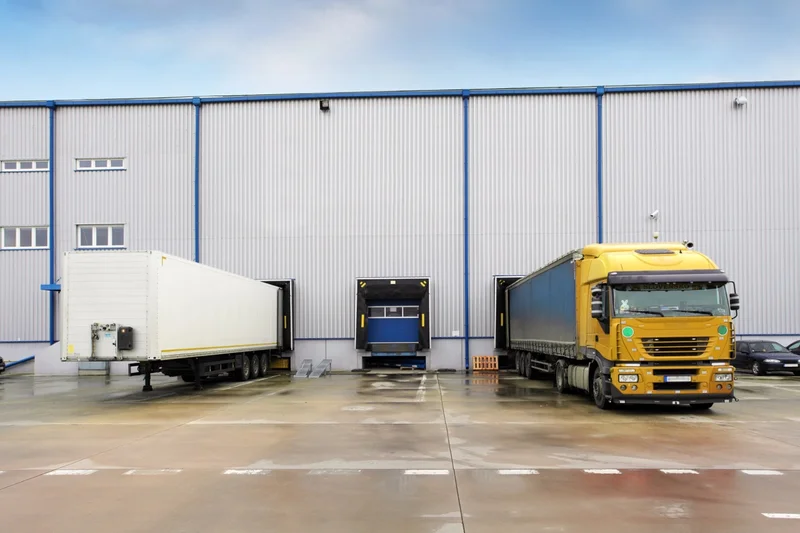
Raise sunken slabs caused by ground washout or heavy vehicle traffic. Avoid shutdowns and surface re-pours.
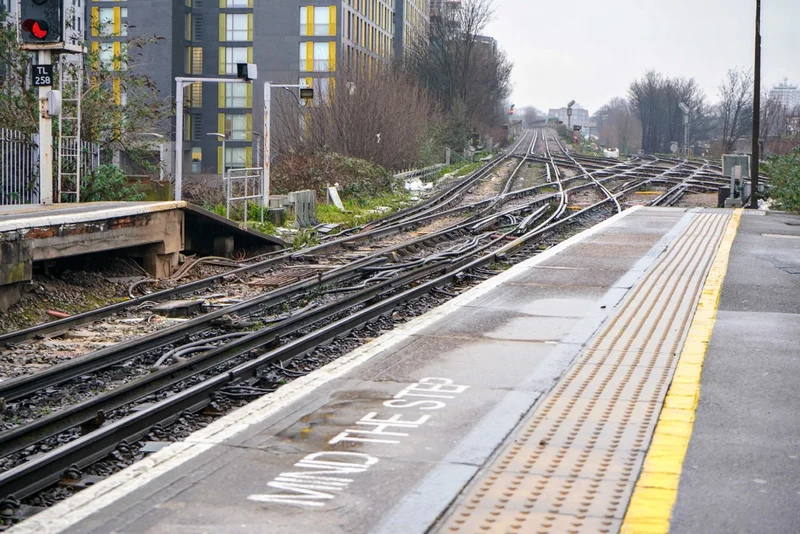
Lift and stabilise settlement-affected platforms, running rails and trackside structures. Avoids service disruption and costly reconstruction.
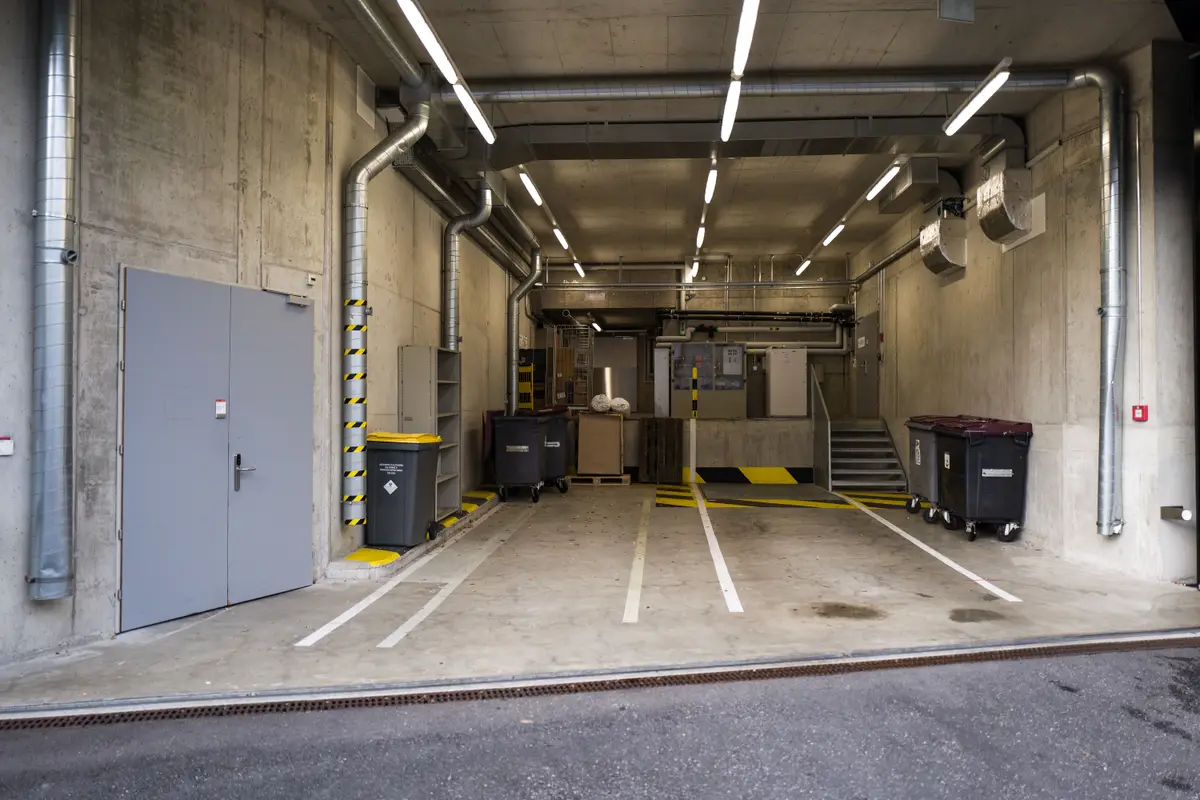
Level uneven internal floors to improve safety, drainage and equipment stability without halting production.
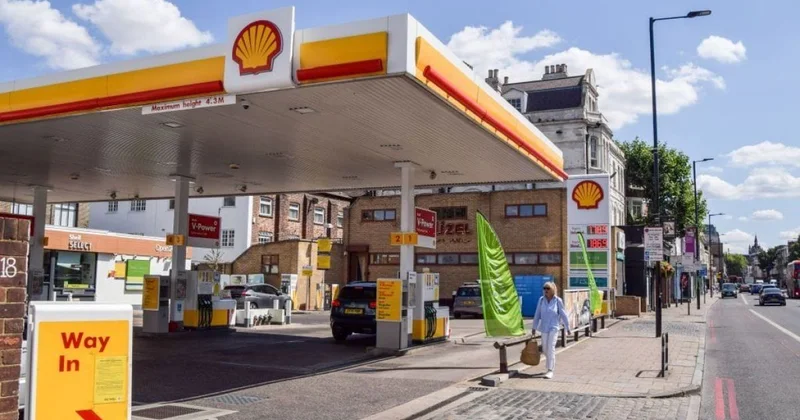
Relevel forecourt slabs affected by fuel spills, erosion or heavy vehicle traffic. Fast curing resin minimises downtime and keeps sites safe and operational.
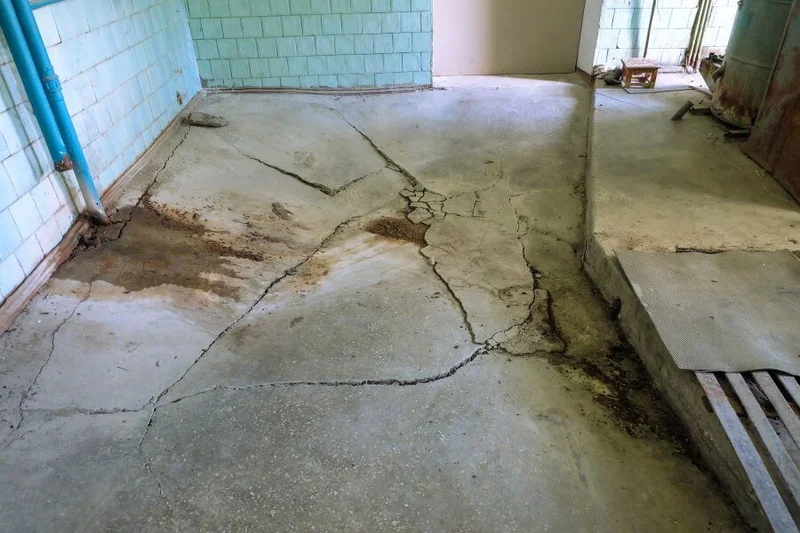
Lift and relevel sunken concrete floors in domestic properties. Quick installation with no excavation, no mess, and minimal disruption to residents.
Polyurethane slab lifting is ideal for surface-level concrete in public and private car parks. Fast, non-disruptive and weather-resistant.




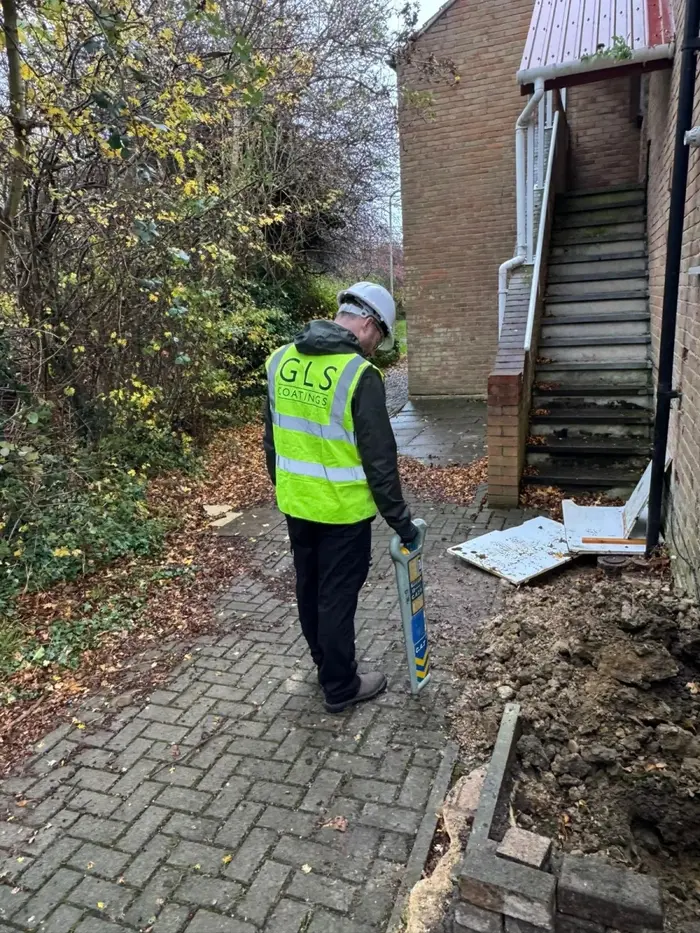
Before raising slabs with resin injection, a full CCTV drainage survey checks the condition of nearby pipes and drainage runs. High-resolution cameras allow us to identify:
Cracks or fractures beneath slab areas
Root ingress or blockages causing washout
Collapsed sections or leaks that weaken ground support
Risks of water flow interfering with slab stabilisation
By detecting hidden problems early, we ensure the lifting process runs smoothly and delivers long-term stability.
If defects are found, we can seal or coat drainage sections before slab lifting begins. Protecting drainage at this stage prevents future washout or settlement issues.
We use specialist materials to:
Seal leaks under or around slab areas
Reinforce weakened pipes supporting forecourts, yards or road slabs
Prevent resin or water from entering the drainage system
Maintain ground integrity throughout the lift
This step is especially important for forecourts, service yards, and other high-traffic areas where drainage plays a critical role in slab stability.
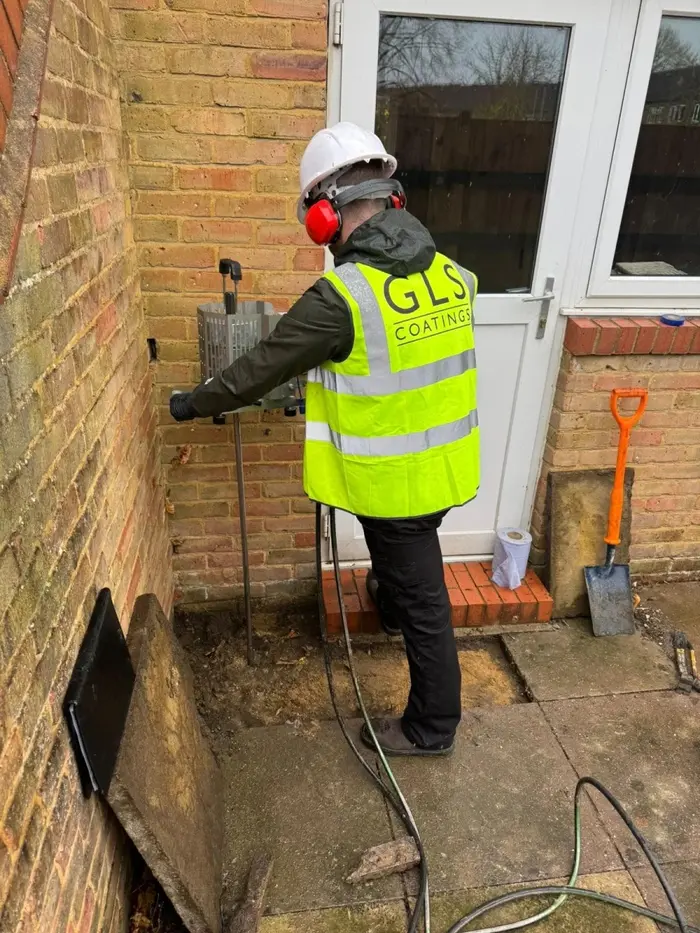


Large UK Car Manufacturer
GLS lifted a subsiding factory floor using resin injection, completed in one day with no production disruption. Our fixed-cost solution avoided demolition and delivered fast, transparent results.
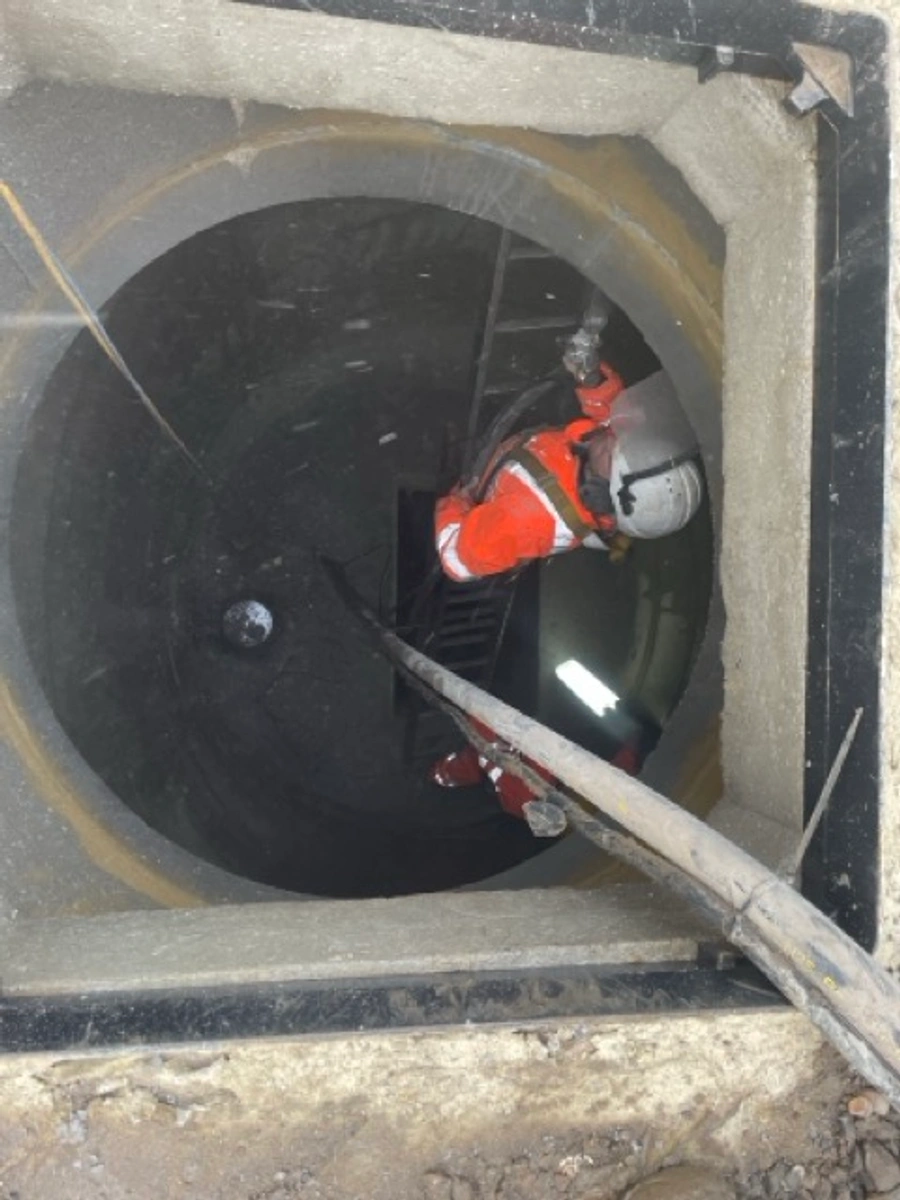
London Sewer Shaft
GLS sealed and relined a rising sewer shaft in London affected by H₂S corrosion and water ingress. Resin injection stopped active leaks before applying a chemical-resistant epoxy lining, completed in 3 days with no disruption.
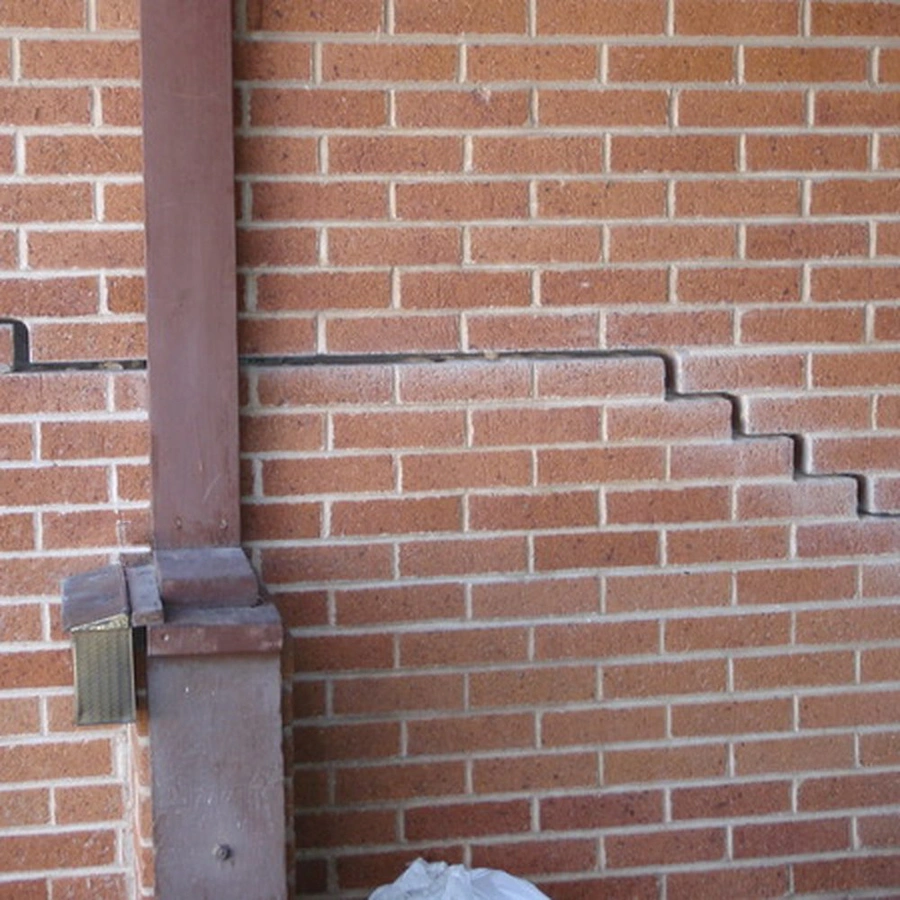
Subsiding Residential Property
GLS stabilised a subsiding council property with resin injection and drainage repairs. The internal floor was relevelled, external wall movement halted, and the job completed in 1 day with minimal tenant disruption.
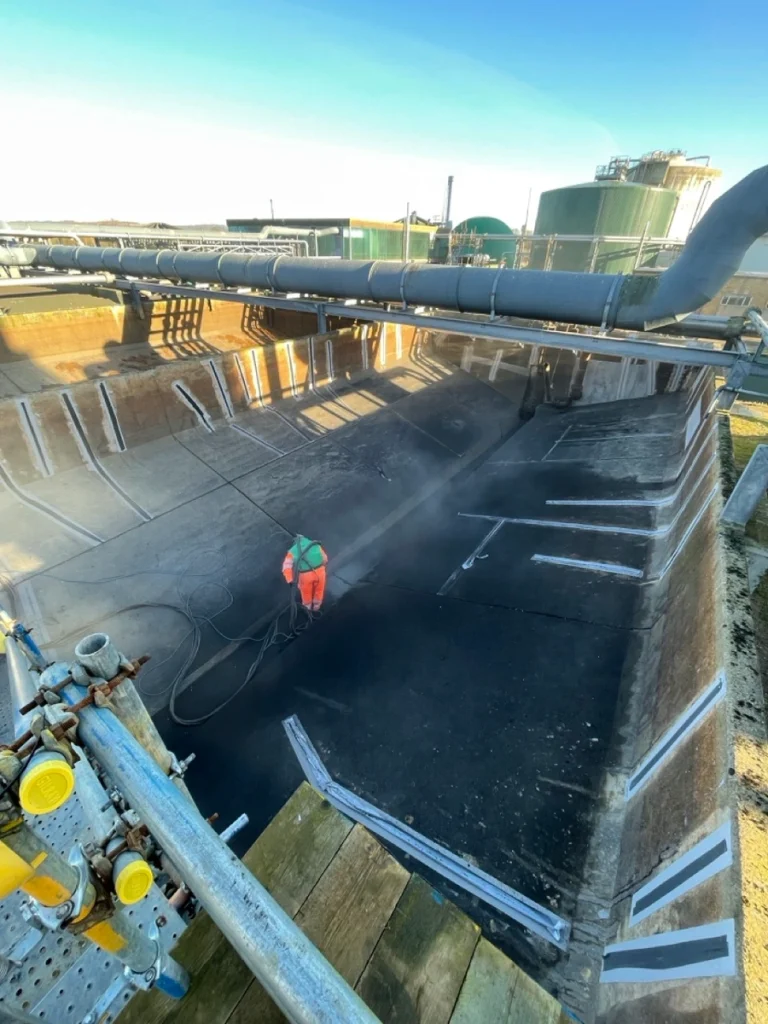
Water Treatment Site
GLS relevelled a 400m² sludge tank base using resin injection before applying a protective cementitious coating. The stabilised base enabled long-term protection from H₂S corrosion and water ingress, with zero disruption to site operations.
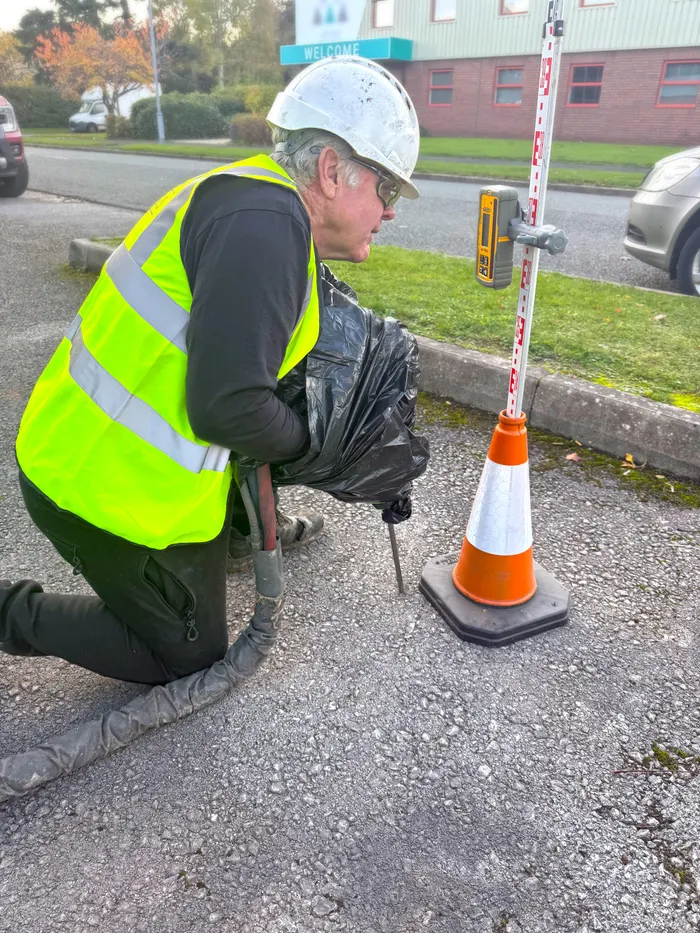
Concrete lifting with polyurethane resin is a fast, non-invasive process used to raise and level sunken slabs. Technicians drill small holes in a grid pattern, then inject high-density resin into the voids beneath the concrete. The expanding resin fills gaps, compacts the soil, and lifts the slab with precision control via laser levels. It cures quickly and is ready for use within hours, making it ideal for warehouses, loading bays, roads, taxiways, and factory floors.
Polyurethane slab lifting avoids demolition and full-depth excavation. It requires less equipment, no wet trades, and creates no mess. Compared to breaking out and repouring slabs, it is faster, cleaner, and more cost-effective while minimising disruption to operations or traffic.
The process is minimally invasive, accurate to the millimetre, and fast-curing. It restores load-bearing capacity, reduces downtime, avoids concrete waste, and works internally or externally. This makes it suitable for roads, airport runways, warehouse floors, and more.
Once injected, the resin forms a durable waterproof base that binds loose soils and resists future movement. It is designed to last under heavy loads and varied conditions from racking aisles to runways without recurring settlement.
Most resin injection jobs are completed in hours. The area is walkable or traffic-ready shortly after injection which makes it a great solution for industrial floors, car parks, and live site repairs without requiring shutdowns.
Yes, the lift is monitored in real time using laser level sensors. This allows controlled and exact lifting to the original height which is crucial in areas like internal factory slabs, forklift zones, or supermarket delivery areas where even slight unevenness causes operational issues.
